
Modern medicine is built on science, clinical trials, and evidence-based practice. But for most of human history, healing the sick involved guesswork, superstition, and theories that now seem bizarre—or downright horrifying. Many treatments that were once considered cutting-edge would today be viewed as dangerous or absurd. Yet these strange medical practices shaped the path toward modern healthcare and reveal how desperate humans have always been to survive.
Bloodletting: Draining the “Bad” Blood
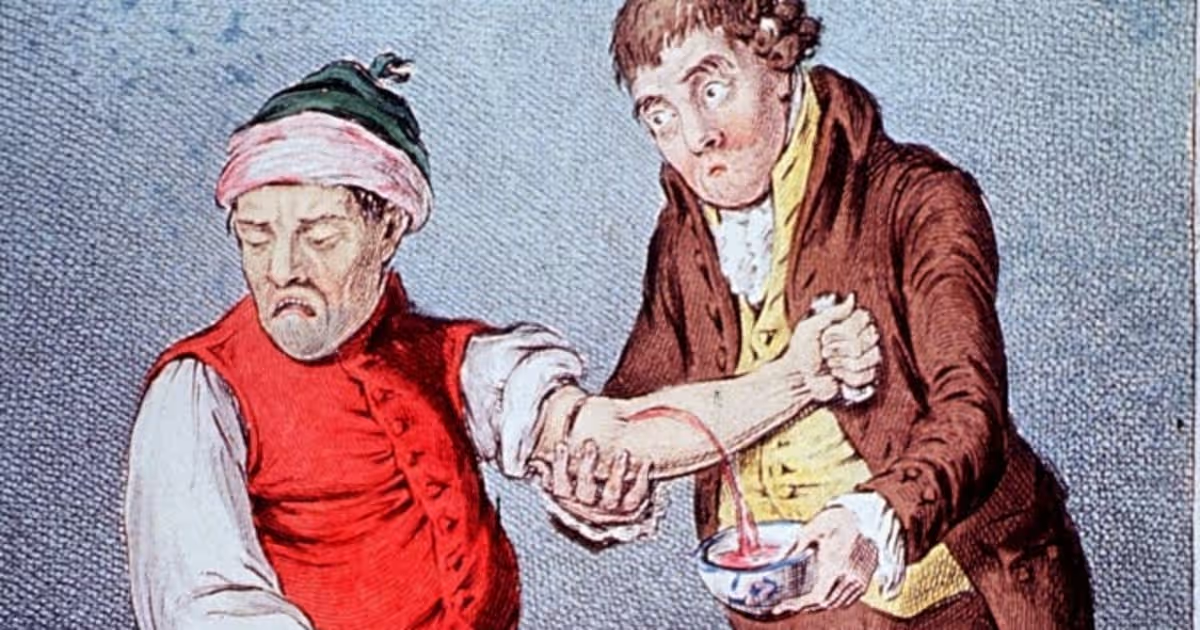
For over 2,000 years, bloodletting was one of the most common medical treatments in the world. Doctors believed illness was caused by an imbalance of bodily fluids, or “humors,” and that removing blood would restore health.
Patients were bled using knives, leeches, or sharp tools—sometimes until they fainted. Bloodletting was prescribed for everything from fevers to mental illness. Shockingly, even famous figures like George Washington were treated this way shortly before death. Instead of curing disease, the practice often weakened patients and hastened their decline.
Mercury as Medicine
Mercury, now known to be toxic, was once considered a miracle cure. Ancient Chinese, Egyptian, and European doctors prescribed it to treat conditions such as syphilis, constipation, and skin diseases.
Patients consumed mercury pills or rubbed mercury ointments onto their bodies. While symptoms sometimes temporarily improved, long-term exposure caused severe neurological damage, organ failure, and death. Despite its dangers, mercury remained in medical use for centuries, demonstrating how little early physicians understood toxicity.
The Use of Mummies as Medicine
One of the most disturbing medical trends in medieval Europe involved the belief that powdered mummified human remains had healing properties. Known as “mumia,” this substance was consumed to treat headaches, internal bleeding, and epilepsy.
Pharmacies sold ground mummy parts, often sourced from ancient Egyptian tombs—or worse, freshly deceased bodies. The belief stemmed from the idea that preserved flesh contained life force. In reality, it offered no medical benefit and fueled grave robbing on a massive scale.
Trepanation: Drilling Holes in the Skull
Trepanation is one of the oldest known surgical procedures, dating back thousands of years. Doctors drilled or scraped holes into patients’ skulls to treat headaches, seizures, or mental illness.
Ancient cultures believed this allowed evil spirits to escape the body. Surprisingly, many skulls show signs of healing, suggesting some patients survived. While modern medicine uses brain surgery for valid reasons, early trepanation was performed without anesthesia, sterilization, or understanding of infection.
Smoking as a Cure for Everything
In the early 20th century, doctors actually recommended smoking. Cigarettes were marketed as remedies for asthma, sore throats, and even stress-related disorders. Tobacco companies sponsored medical endorsements, and advertisements showed doctors praising specific cigarette brands.
At the time, smoking was believed to open airways and calm nerves. It wasn’t until decades later that science revealed the devastating health effects of tobacco. This medical misjudgment cost millions of lives and stands as a powerful lesson in corporate influence and incomplete research.
Radium Therapy: Glowing with Health
When radium was discovered, it was hailed as a wonder substance. Doctors prescribed radium-infused water, toothpaste, and cosmetics, believing it would boost energy and cure disease.
Patients drank radioactive tonics daily, unaware they were poisoning themselves. One famous victim, a wealthy industrialist, consumed radium products until his jaw disintegrated from radiation exposure. Radium therapy fell out of favor only after widespread illness and death made its dangers undeniable.
The Ice Pick Lobotomy
In the mid-20th century, lobotomies were used to treat mental illness. The ice pick lobotomy involved inserting a sharp instrument through the eye socket into the brain and severing neural connections.
This procedure was often performed without proper anesthesia and took only minutes. While some patients became calmer, many lost their personality, cognitive function, or ability to live independently. The practice was eventually condemned as unethical and inhumane.
Animal Dung and Urine as Medicine
Ancient medical texts recommended mixtures containing animal dung, urine, and even feces to treat infections and wounds. In some cases, these substances had mild antibacterial properties, but most uses were based on superstition.
Patients applied these remedies directly to open wounds, often worsening infections. Despite their repulsive nature, such treatments were standard practice for centuries.
Learning Through Mistakes
The strangest medical treatments in history may seem laughable today, but they reflect humanity’s constant struggle against disease with limited knowledge. Each failure, however dangerous, contributed to greater understanding over time.
Modern medicine exists because earlier generations experimented—often blindly—in search of healing. The true miracle isn’t how strange these treatments were, but how far medicine has come by learning from its mistakes.