
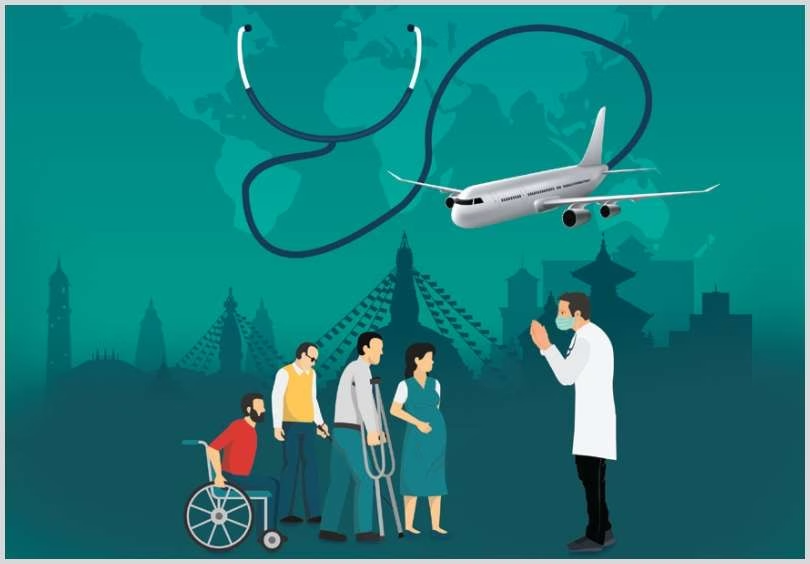
Medical tourism has emerged as a global phenomenon, with millions of patients traveling across borders each year to seek medical treatment. Rising healthcare costs, long waiting times, and the availability of advanced medical facilities abroad have driven this growing trend. What was once considered a niche option is now a mainstream choice for patients seeking quality care at affordable prices. Medical tourism is reshaping the global healthcare landscape and changing how people access medical services.
Understanding Medical Tourism
Medical tourism refers to the practice of traveling to another country for medical, surgical, or wellness treatments. These services range from elective procedures such as cosmetic surgery and dental care to complex treatments like cardiac surgery, orthopedic procedures, and fertility treatments. Many medical tourists combine healthcare with leisure travel, recovering in comfortable environments while exploring new destinations.
Countries known for medical tourism invest heavily in healthcare infrastructure, advanced technology, and internationally trained medical professionals to attract international patients.
Cost Savings and Affordability
One of the primary reasons patients choose medical tourism is cost. Healthcare expenses in some countries can be prohibitively high, especially for uninsured or underinsured patients. In contrast, many destinations offer the same procedures at a fraction of the cost without compromising quality.
Lower labor costs, favorable exchange rates, and government support allow hospitals abroad to provide affordable treatments. Even after factoring in travel and accommodation expenses, patients often save a significant amount, making medical tourism an attractive option.
Access to High-Quality Care and Expertise
Medical tourists are increasingly drawn to destinations known for high-quality healthcare and skilled professionals. Many hospitals catering to international patients are accredited by global healthcare organizations and adhere to strict quality standards.
Doctors and surgeons in medical tourism hubs often receive international training and have extensive experience performing specialized procedures. Access to advanced medical technology and modern facilities ensures that patients receive care that is comparable to or exceeds standards in their home countries.
Shorter Waiting Times
In countries with public healthcare systems, long waiting times for surgeries and specialist consultations are standard. Medical tourism offers an alternative by providing quicker access to treatment. Patients who might wait months or even years for procedures at home can often receive care abroad within days or weeks.
Shorter waiting times are particularly appealing for patients dealing with chronic pain or progressive conditions, where delays could worsen outcomes.
Availability of Specialized Treatments
Some patients travel abroad to access treatments that are unavailable or restricted in their home countries. This includes advanced fertility treatments, experimental therapies, and alternative medical practices. Medical tourism destinations often offer a wider range of treatment options, providing patients with greater flexibility and choice.
Additionally, wellness-focused treatments such as holistic therapies, rehabilitation programs, and preventive care attract patients seeking comprehensive health solutions.
Personalized Care and Patient Experience
Medical tourism providers place a strong emphasis on patient experience. Hospitals often offer personalized treatment plans, multilingual staff, and dedicated patient coordinators to assist with travel, accommodation, and recovery arrangements.
This patient-centered approach contrasts with overburdened healthcare systems, where providers may have limited time for individual patients. Personalized attention enhances comfort, reduces stress, and improves overall satisfaction.
Economic and Global Impact
Medical tourism contributes significantly to the economies of destination countries. It creates jobs, drives investment in healthcare infrastructure, and supports related industries such as hospitality and transportation. Governments often promote medical tourism as part of economic development strategies.
At the same time, medical tourism encourages global collaboration in healthcare. Knowledge exchange, training programs, and international partnerships help raise healthcare standards worldwide.
Risks and Considerations
Despite its benefits, medical tourism carries risks. Differences in medical regulations, challenges in follow-up care, and potential complications must be carefully considered. Patients need to research hospitals, verify credentials, and understand post-treatment care requirements before traveling.
Travel-related risks and language barriers can also pose challenges. Proper planning and consultation with home healthcare providers are essential to ensure safe and successful outcomes.
The Future of Medical Tourism
The future of medical tourism looks promising as healthcare costs continue to rise and global connectivity improves. Advances in telemedicine, digital health records, and remote consultations make cross-border care more accessible and coordinated.
As patients become more informed and healthcare systems evolve, medical tourism is likely to expand further, offering patients greater choice and flexibility in managing their health.
Conclusion
Medical tourism is transforming the way patients access healthcare by offering affordable, high-quality, and timely treatment options across borders. While careful planning is necessary, the benefits of cost savings, expertise, and personalized care continue to drive its growth. As global healthcare becomes more interconnected, medical tourism will remain a key solution for patients seeking better healthcare options worldwide.