
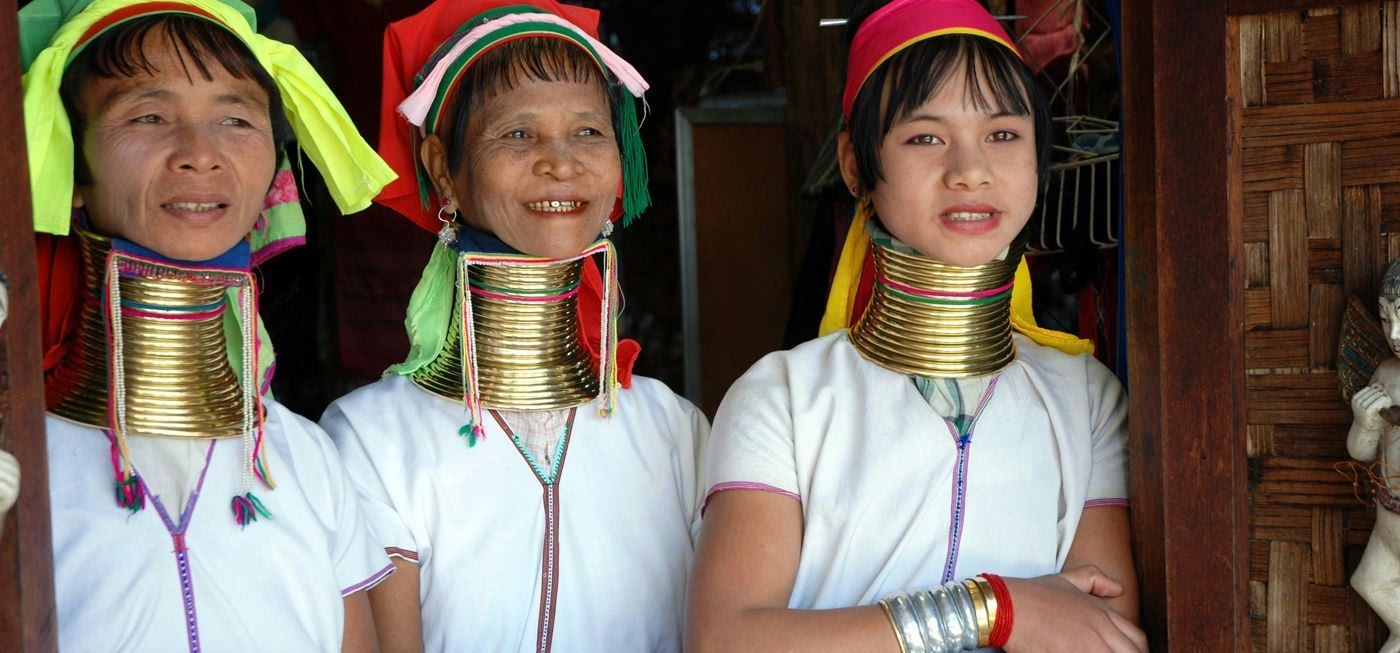
Human culture is endlessly diverse, shaped by geography, religion, history, and imagination. While some customs are familiar and comforting, others seem downright strange—or even shocking—to outsiders. What one society considers sacred, another might find bizarre. Yet these unusual traditions reveal the creativity, resilience, and values of the people who practice them. From ritualized festivals to extraordinary rites of passage, some cultural customs are so unique that they almost defy belief.
The Baby Jumping Festival in Spain
Every year in the small town of Castrillo de Murcia, Spain, locals celebrate El Colacho, a festival where men dressed as devils literally jump over babies lying on mattresses in the streets.
The tradition dates back to 1620 and is intended to cleanse infants of original sin and protect them from evil spirits. Participants dressed in devil costumes leap over the children while crowds cheer. To outsiders, the idea of tossing babies into the air might sound terrifying, but locals insist it is safe and deeply symbolic—a mix of danger, faith, and communal celebration.
Thailand’s Monkey Buffet Festival
In Lopburi, Thailand, the Monkey Buffet Festival takes place every November. The town arranges a lavish feast of fruits, vegetables, and treats for thousands of wild monkeys.
The festival honors the role monkeys have played in local history and mythology, and it’s believed that feeding them brings prosperity to the town. Tourists often find the sight of hundreds of monkeys feasting on colorful fruit spreads chaotic and surreal, but for locals, it’s a cherished ritual of gratitude and good fortune.
Night Hunting in Bhutan
In the remote kingdom of Bhutan, a unique hunting tradition called Phobjikha Night Hunting persists in some villages. Participants hunt at night using torches and traditional techniques passed down for generations.
The practice isn’t just about survival; it’s deeply ceremonial. Hunters believe that nocturnal activities honor spirits of the land and maintain harmony with nature. For outsiders, hunting in complete darkness with ancient methods seems dangerous and eccentric, but for locals, it’s a spiritual and cultural experience intertwined with respect for the environment.
Finger Shortening in Indonesia
Among the Dani people of Papua, Indonesia, there is a longstanding custom of shortening the fingers. Traditionally, women would amputate part of a finger when a family member died. The ritual expressed grief and symbolized severing ties with the deceased.
Though largely abandoned today, the practice illustrates how physical acts were used to process emotion and maintain cultural continuity. It may seem shocking to outsiders, but within the Dani community, it was a deeply meaningful way to honor family bonds and navigate the cycles of life and death.
The Cheese Rolling Festival in England
In Gloucestershire, England, participants gather annually for the Cooper’s Hill Cheese-Rolling Festival. A wheel of cheese weighing about 9 kilograms (20 pounds) is rolled down a steep hill, and daring competitors chase it, often tumbling and crashing along the way.
The goal is simple: catch the cheese or cross the finish line first. Hundreds of participants risk broken bones and bruises in pursuit of this age-old tradition. It sounds absurd, even dangerous, but locals see it as a thrilling celebration of community spirit and rural heritage.
Walking on Fire in Fiji
In the villages of Beqa Island, Fiji, a centuries-old ritual involves firewalking. Practitioners, often men of the local clan, walk barefoot over glowing embers to demonstrate courage and spiritual strength.
The tradition is tied to ancestral worship, and villagers believe it provides protection, blessings, and a deep connection to their heritage. While firewalking can appear reckless and painful to outsiders, participants prepare mentally and spiritually, highlighting the interplay between mind, body, and belief.
The Baby Toss in India
In India, some communities in Karnataka participate in the Dola Jatra Baby Tossing ritual. Newborns are gently dropped from temple balconies onto sheets held by devotees below.
The ritual is believed to bring good luck and protect children from evil spirits. While it is carefully supervised to prevent injury, the very idea of tossing babies off a height might seem incomprehensible to outsiders. Yet for local participants, it is a centuries-old symbol of faith and trust in the community.
Why These Traditions Persist
Strange as they may appear, these unusual customs endure because they carry deep cultural significance. Many are tied to:
- Rituals of protection or purification: From baby jumping to finger shortening, communities create symbolic acts to safeguard health, wealth, and spiritual well-being.
- Honoring ancestors and spirits: Night hunting, firewalking, and feeding animals are ways of maintaining harmony with unseen forces.
- Celebrating community and identity: Cheese rolling and monkey feasts strengthen bonds and preserve local heritage.
Outsiders often focus on the shock factor, but insiders view these practices as meaningful, even essential to cultural continuity.
Lessons from Bizarre Traditions
These unusual customs remind us that human behavior is incredibly diverse. What seems bizarre or irrational is often deeply symbolic and rooted in centuries of collective experience. They show how humans adapt to their environment, express emotion, and find meaning in life’s uncertainties.
In a globalized world, bizarre traditions can also foster curiosity, respect, and dialogue. They challenge us to suspend judgment, appreciate different worldviews, and marvel at the creativity and resilience of human societies.
Conclusion
From jumping over babies in Spain to rolling cheese down hills in England, the world is full of customs that stretch the imagination. While outsiders may find them strange, these traditions reflect the values, beliefs, and ingenuity of the communities that practice them. They prove that culture is not just about survival—it is about storytelling, identity, and connecting with forces beyond our immediate understanding.
In the end, these bizarre traditions show that humans are endlessly inventive, fearless in ritual, and remarkably creative in expressing what matters most to them. They remind us that the world is far stranger and more fascinating than we often realize.