
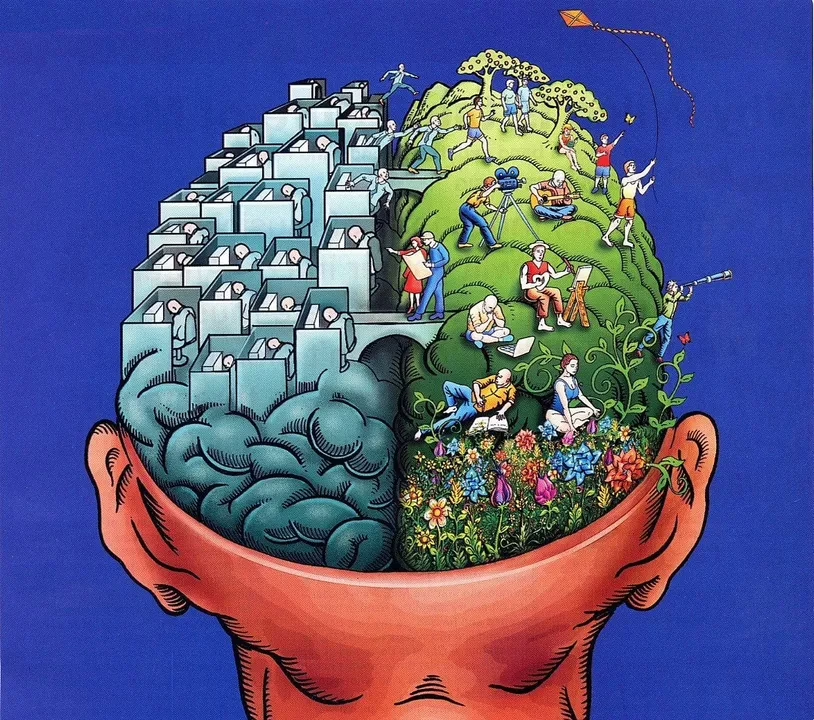
The human mind is powerful, mysterious, and sometimes predictable. Certain psychological phenomena subtly influence our decisions, emotions, and actions—often without us realizing it. Understanding these mechanisms reveals why humans behave the way they do, sometimes in ways that defy logic.
The Bystander Effect
The Bystander Effect occurs when individuals are less likely to help someone in distress if others are present. The presence of multiple witnesses diffuses responsibility, creating a psychological inertia. This effect has been documented in emergencies ranging from street accidents to disasters, highlighting how social context can override innate empathy.
Cognitive Dissonance
Cognitive dissonance occurs when a person holds contradictory beliefs or behaviors, causing mental discomfort. To resolve the tension, people often change their attitudes, justify irrational actions, or ignore evidence. This phenomenon explains why individuals may defend harmful practices or cling to misinformation even when presented with undeniable facts.
The Halo Effect
The Halo Effect is a bias where one positive trait of a person—such as attractiveness or charisma—colors our perception of their other qualities. A physically appealing person may be perceived as more intelligent or trustworthy, regardless of reality. This effect shapes hiring decisions, politics, and even social interactions.
The Placebo Effect
The Placebo Effect demonstrates the mind’s power over the body. People given a harmless treatment often experience real physical improvement because they expect it to work. This phenomenon highlights the influence of belief and perception on health outcomes and medical research.
The Pygmalion Effect
Similar to the placebo, the Pygmalion Effect occurs when higher expectations lead to better performance. Teachers, managers, or peers can unconsciously influence someone’s success simply by believing in their potential. This effect underscores the subtle ways social perception shapes human behavior.
The Illusion of Control
Humans often overestimate their influence over events, even in random situations. This illusion of control explains behaviors such as superstitions, gambling, and ritualistic habits. Feeling in control—even when we aren’t—can provide comfort but also lead to risky decisions.
Social Proof
The concept of social proof explains why people follow trends, buy popular products, or mimic others’ actions. We assume the crowd knows more than we do, which can lead to both beneficial social learning and harmful herd behavior, depending on the context.
Conclusion
Psychological phenomena operate silently yet powerfully in everyday life. From decision-making and motivation to perception and behavior, these effects demonstrate that humans are rarely as rational or independent as we believe. By understanding them, we can make more conscious choices, resist manipulation, and better comprehend why people—and societies—act the way they do.